AI Search vs Google SEO: Which Strategy Wins in 2026?
Discover how AI search vs Google SEO differs in 2026. Learn optimization strategies for ChatGPT, Gemini, and traditional search engines. Discover essential AI.
Key Insight | Explanation |
|---|---|
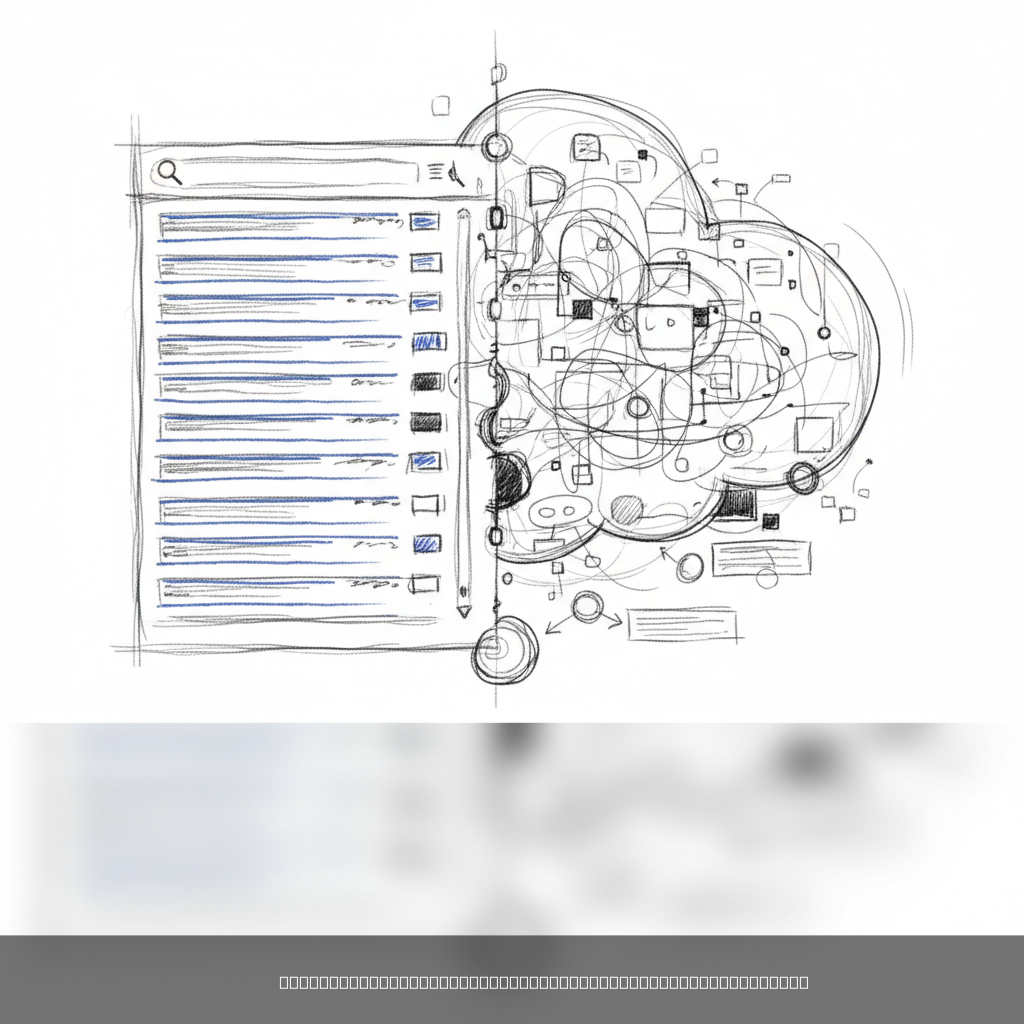
AI Search Growth | AI search engines like ChatGPT and Gemini are scaling exponentially while traditional search remains flat |
Optimization Approach | GEO (Generative Engine Optimization) focuses on AI-generated answers rather than click-through rates |
User Behavior Shift | Consumers increasingly use AI tools for research without clicking through to websites |
Content Strategy | Direct answers and structured data matter more than keyword density for AI search |
Business Impact | Companies need dual optimization strategies to maintain visibility across both platforms |
Table of Contents
The digital marketing landscape has fundamentally shifted as AI search vs Google SEO becomes the defining battle for online visibility. While traditional search engines focus on delivering ranked lists of websites, AI-powered platforms like ChatGPT, Gemini, Claude, and Perplexity provide direct answers without requiring users to click through multiple links. This transformation represents more than just a technological upgrade—it's reshaping how businesses approach content optimization and customer discovery.
What Is AI Search vs Google SEO?
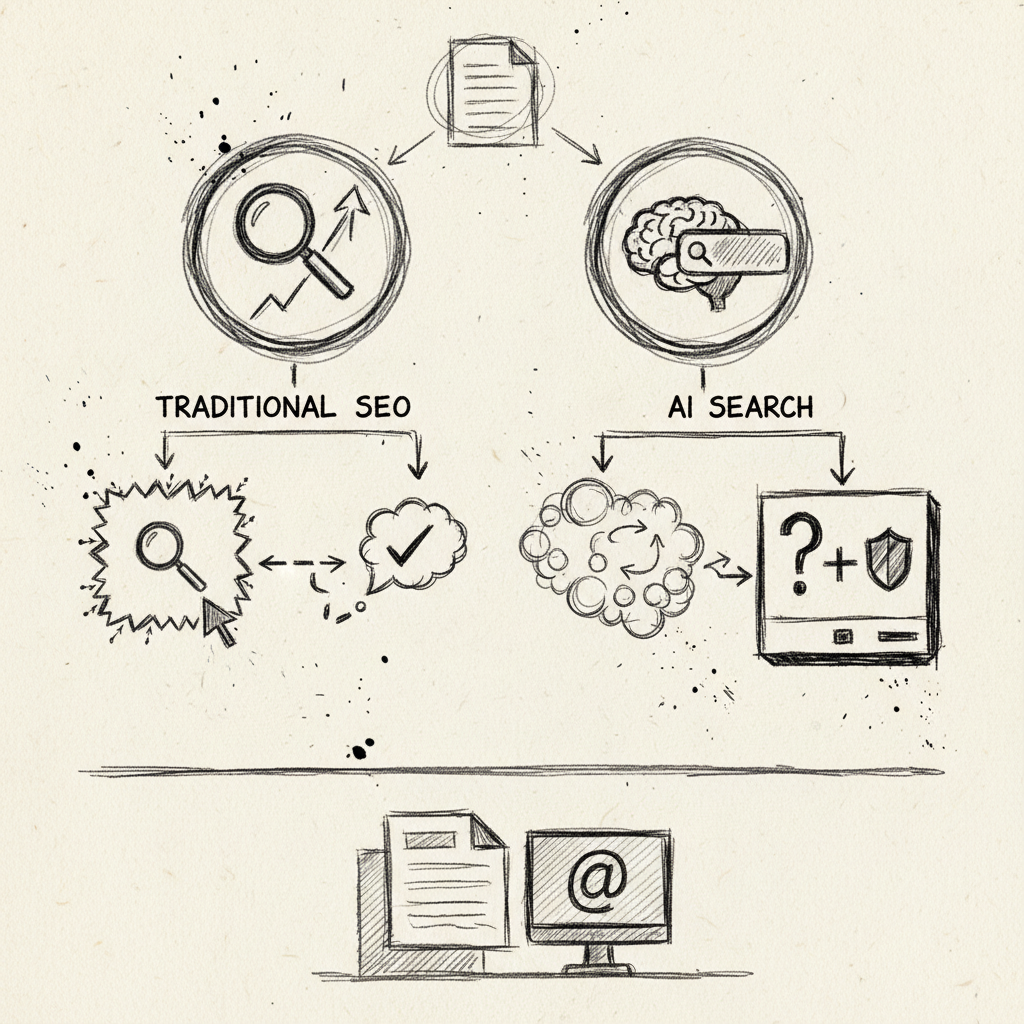
AI search vs Google SEO represents the fundamental difference between optimizing for generative AI platforms versus traditional search engines. Traditional SEO focuses on ranking websites higher in search engine results pages (SERPs) to drive click-through traffic, while AI search optimization—known as Generative Engine Optimization (GEO)—aims to ensure your content gets cited and referenced in AI-generated responses.
Traditional Google SEO Mechanics
Google SEO operates on a crawl-index-rank system where algorithms evaluate websites based on hundreds of ranking factors. These include keyword relevance, backlink authority, page loading speed, mobile responsiveness, and user experience signals. The primary goal involves securing top positions in search results to maximize organic traffic through clicks. Key traditional SEO elements include:
Keyword optimization and density targeting
Meta tags and title optimization
Backlink acquisition and domain authority building
Technical SEO improvements (site speed, mobile optimization)
Content freshness and regular updates
AI Search Engine Fundamentals
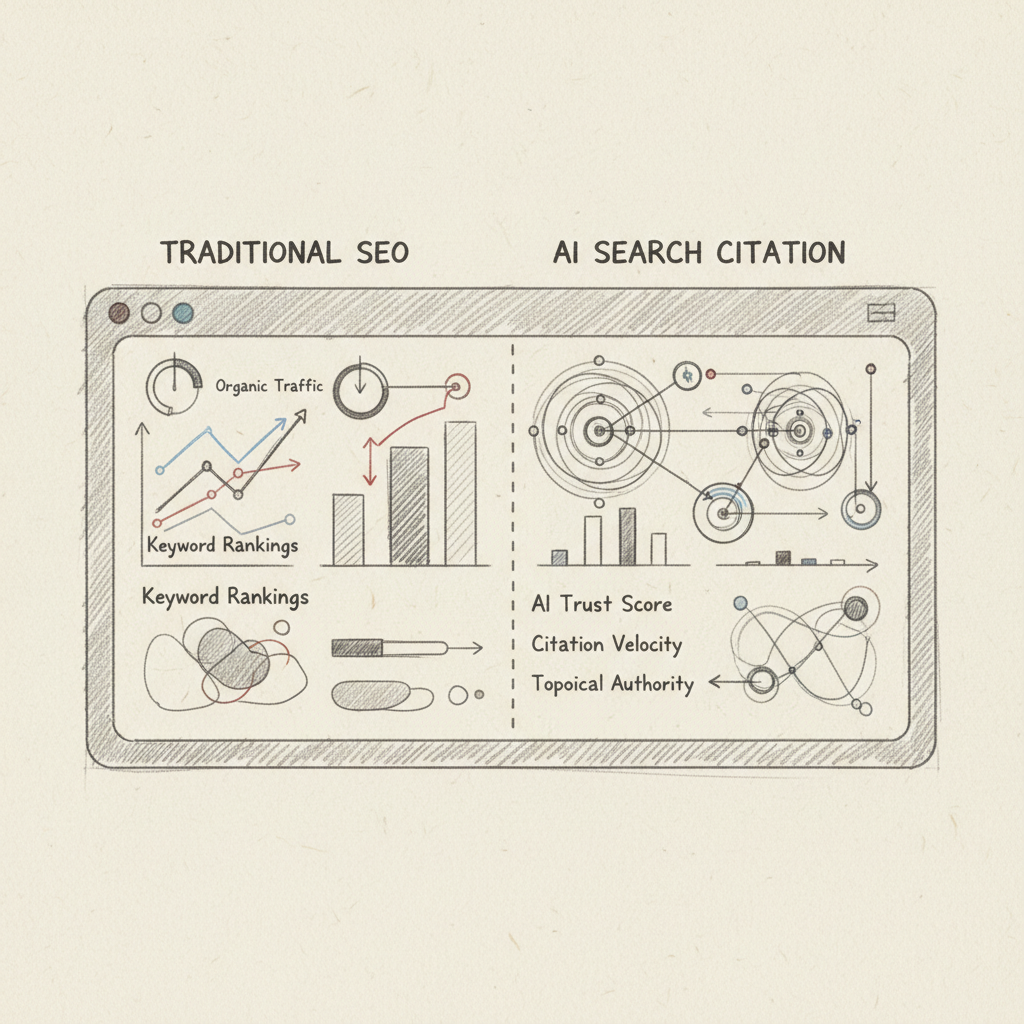
AI search engines process queries differently by understanding context, intent, and nuance through natural language processing. Instead of matching keywords, these systems analyze semantic meaning and generate comprehensive answers by synthesizing information from multiple sources. According to MarTech research, companies must now optimize for accurate representation in AI-generated answers rather than maximizing click-through rates [1]. The shift requires businesses to think beyond traditional metrics. While Google measures success through rankings and traffic, AI search success depends on citation frequency, answer accuracy, and source credibility.
Pro Tip: Focus on creating content that directly answers questions rather than just targeting keywords. AI engines prefer clear, factual statements that can be extracted and cited.
How AI Search Differs from Traditional SEO
AI search fundamentally changes user behavior and content consumption patterns compared to traditional Google search. While Google provides options through ranked results, AI search delivers definitive answers with supporting citations, eliminating the need for users to browse multiple websites.
User Intent and Behavior Patterns
Traditional search users typically scan through multiple results, comparing options before making decisions. They expect to click through to websites for detailed information. AI search users, however, seek immediate answers and often complete their research within the AI interface itself. Research from Growth Engines reveals that AI engines are scaling exponentially while traditional search traffic remains flat to slightly declining [2]. This trend indicates a fundamental shift in how people discover and evaluate information online. The behavioral differences include:
Conversational queries instead of keyword-based searches
Expectation of comprehensive answers in single responses
Reduced website visits and longer session times with AI platforms
Trust in AI-curated information over manual source verification
Content Processing and Ranking Mechanisms
Traditional SEO algorithms evaluate individual web pages against specific ranking factors. AI search systems analyze content across the entire web to synthesize comprehensive answers. This difference means optimization strategies must shift from page-level improvements to content authority and factual accuracy. Semrush analysis shows that traditional SEO optimizes for search engines like Google, while AI SEO optimizes for AI platforms and search features [3]. The distinction affects everything from content structure to success metrics. AI search prioritizes:
Semantic understanding over exact keyword matches
Source credibility and factual accuracy
Structured data and clear information hierarchy
Citation-worthy content that supports broader narratives
Pro Tip: Structure your content with clear headings and direct answers at the beginning of each section. AI engines extract these formatted responses for their generated answers.
Key Benefits of AI Search Optimization in 2026
Optimizing for AI search vs Google SEO offers distinct advantages as consumer behavior continues shifting toward AI-powered research tools. Businesses that adapt early gain significant competitive advantages in visibility and customer acquisition.
Enhanced Brand Authority and Trust
AI search engines cite authoritative sources when generating responses, creating opportunities for businesses to establish thought leadership. When your content gets referenced by ChatGPT, Gemini, or Claude, it signals expertise to potential customers who trust AI-curated information. Unlike traditional SEO where rankings can fluctuate daily, AI citations tend to be more stable once established. The platforms prioritize consistent, accurate sources, rewarding businesses that maintain high content quality over time. Benefits of AI search authority include:
Increased brand recognition through AI platform citations
Higher perceived credibility among AI-native users
Reduced dependency on search engine algorithm changes
More qualified leads from users who trust AI recommendations
Cost-Effective Customer Acquisition
Traditional Google Ads and competitive SEO campaigns require significant ongoing investment. AI search optimization, while requiring initial setup, often provides more sustainable long-term results. According to Significa research, businesses need both traditional and AI optimization strategies to maintain comprehensive visibility [4]. The cost advantages become apparent when comparing acquisition channels:
Channel | Setup Cost | Ongoing Investment | Sustainability |
|---|---|---|---|
Google Ads | Medium | High (daily budget) | Low (stops when budget ends) |
Traditional SEO | High | Medium (content + links) | Medium (algorithm dependent) |
AI Search Optimization | Medium | Low (content updates) | High (citation stability) |
Future-Proofing Digital Strategy
As AI adoption accelerates, businesses optimized for these platforms gain first-mover advantages. The shift from traditional search to AI-powered discovery isn't temporary—it represents a permanent change in how people access information online. Companies that establish strong AI search presence now position themselves advantageously as these platforms continue growing their user bases. The integration of AI search into everyday workflows means early optimization efforts compound over time.
Common Challenges and Mistakes
Transitioning from traditional Google SEO to AI search optimization presents unique obstacles that can derail even well-intentioned strategies. Understanding these pitfalls helps businesses avoid costly mistakes while building effective dual optimization approaches.
Overemphasis on Traditional Metrics
Many businesses struggle to abandon familiar SEO metrics when evaluating AI search performance. Traditional indicators like keyword rankings, organic traffic, and click-through rates don't translate directly to AI search success. This metric confusion leads to misallocated resources and missed opportunities. Lemonade Stand research indicates that traditional SEO aimed for clicks while AI aims to answer questions without clicks [5]. This fundamental difference requires completely new measurement frameworks. Common metric mistakes include:
Focusing solely on website traffic instead of citation frequency
Prioritizing keyword rankings over answer accuracy
Measuring success through click-through rates rather than AI mentions
Ignoring brand authority signals in favor of traditional link building
Content Structure Misalignment
Traditional SEO content often targets specific keywords with supporting paragraphs and internal links. AI search engines prefer differently structured content that provides immediate, extractable answers. Many businesses continue creating traditional blog posts without adapting format for AI consumption. The structural requirements for AI search include direct answers, clear hierarchies, and citation-ready facts. Content that works well for Google rankings may perform poorly in AI search results due to formatting incompatibilities. Structural problems include:
Burying key information in lengthy introductions
Using vague headings instead of question-based formats
Lacking clear factual statements for AI extraction
Overcomplicating simple concepts with unnecessary jargon
Pro Tip: Start each content section with a direct answer to the implied question. AI engines often extract these opening statements for their generated responses.
Platform-Specific Optimization Neglect
Different AI search engines have varying preferences for content types and structures. ChatGPT, Gemini, Claude, and Perplexity each process information differently, requiring tailored optimization approaches. Businesses often apply one-size-fits-all strategies that underperform across multiple platforms. According to Landscape Professionals analysis, both SEO and AI systems aim to provide trustworthy information, but their evaluation methods differ significantly [6]. Understanding these nuances becomes crucial for comprehensive optimization. Platform-specific considerations include understanding each AI engine's training data preferences, citation requirements, and answer generation patterns. Successful businesses develop distinct strategies for each major AI platform while maintaining consistent brand messaging.
Best Practices for AI Search vs Google SEO in 2026
Developing effective strategies for AI search vs Google SEO requires understanding both platforms' unique requirements while creating synergies between optimization approaches. Successful businesses implement dual strategies that maximize visibility across traditional and AI-powered search environments.
Integrated Content Strategy Development
The most effective approach involves creating content that serves both traditional SEO and AI search optimization simultaneously. This integrated strategy requires careful planning to ensure content meets the distinct requirements of each platform without compromising effectiveness. Start by identifying topics where your business can provide authoritative, factual information. These subjects work well for both Google rankings and AI citations because they demonstrate expertise while offering clear value to searchers. Essential integrated strategy elements include:
Question-based content structure with direct answers
Comprehensive topic coverage that addresses related subtopics
Clear information hierarchy with scannable headings
Factual accuracy with proper source attribution
Regular content updates to maintain relevance and authority
Technical Implementation Framework
Technical optimization for AI search differs significantly from traditional SEO requirements. While Google focuses on crawlability, page speed, and mobile responsiveness, AI engines prioritize structured data, clear content organization, and semantic markup. Implementing proper schema markup becomes crucial for AI search success. These structured data elements help AI engines understand content context and relationships, improving citation likelihood. Additionally, creating machine-readable content formats ensures AI platforms can easily extract and reference your information. Technical implementation steps include:
Implement comprehensive schema markup for all content types
Create XML sitemaps specifically for AI crawler identification
Optimize content structure with clear heading hierarchies
Develop FAQ sections that directly answer common questions
Ensure fast loading times and mobile optimization for all platforms
Performance Monitoring and Optimization
Measuring success across both traditional and AI search requires developing new metrics and monitoring systems. Traditional analytics tools don't capture AI search performance, necessitating additional tracking methods and success indicators. Search Engine Land reports that Google considers AI search optimization similar to traditional SEO, though the practical implementation differs significantly [7]. This perspective suggests businesses can leverage existing SEO knowledge while adapting to AI-specific requirements. At Moonrank, we've found that businesses need comprehensive visibility tracking across both traditional search engines and AI platforms. Our automated monitoring system tracks mentions across ChatGPT, Gemini, Claude, and Perplexity while maintaining traditional SEO performance metrics. Key performance indicators for dual optimization include:
AI platform citation frequency and context
Traditional search ranking positions and traffic
Brand mention sentiment across both channels
Content accuracy and factual verification rates
Competitive positioning in AI search results
Pro Tip: Set up automated monitoring for your brand mentions across major AI platforms. Track not just frequency but also context and accuracy of citations to identify optimization opportunities.
For companies seeking comprehensive solutions, services like Rapid Search Results demonstrate how businesses can accelerate their visibility across multiple search channels simultaneously.
Sources & References
Growth Engines, "AI Search vs Google: Future Traffic Trends and SEO Insights", 2026
Semrush, "Traditional SEO vs. AI SEO: What You Actually Need to Know", 2026
Significa, "SEO vs AI Search in 2025: Why you need both to stay visible", 2025
Lemonade Stand, "AI SEO vs. Traditional SEO: What's the Difference", 2026
Landscape Professionals, "AI Versus SEO: Why Search Is Far From Dead", 2026
Search Engine Land, "Google says doing optimization for AI search is 'the same' as doing SEO", 2026
Frequently Asked Questions
1. Is AI better than SEO?
Understanding AI search vs Google SEO is essential. AI and SEO serve different purposes rather than competing directly. AI search excels at providing immediate answers and synthesizing information from multiple sources, while traditional SEO remains superior for driving targeted website traffic and conversions. The most effective digital strategies in 2026 combine both approaches to maximize visibility across all search channels.
2. Will AI search replace SEO?
AI search will not completely replace traditional SEO but will significantly change how optimization works. While AI platforms handle many research queries directly, users still need to visit websites for transactions, detailed information, and specific services. Businesses should adapt their SEO strategies to include AI optimization rather than abandoning traditional search optimization entirely.
3. Is SEO dead or evolving in 2026?
SEO is rapidly evolving rather than dying in 2026. Traditional ranking factors remain important, but new considerations like AI citation frequency, answer accuracy, and structured data optimization have become equally crucial. Modern SEO requires understanding both traditional search algorithms and AI content processing methods to maintain comprehensive online visibility.
4. How do I optimize content for both Google and AI search?
Create content with clear structure, direct answers, and comprehensive topic coverage. Start sections with immediate answers to implied questions, use descriptive headings, implement proper schema markup, and ensure factual accuracy with source attribution. This approach satisfies both traditional SEO requirements and AI search preferences for extractable, citation-worthy information.
5. What metrics should I track for AI search performance?
Monitor AI platform citation frequency, brand mention context and accuracy, competitive positioning in AI responses, and content extraction rates across ChatGPT, Gemini, Claude, and Perplexity. Traditional metrics like rankings and traffic remain important but should be supplemented with AI-specific indicators to measure comprehensive search visibility.
6. How much should I invest in AI search optimization versus traditional SEO?
Allocate resources based on your audience's search behavior and business goals. B2B companies often benefit from higher AI search investment since professionals frequently use AI tools for research, while e-commerce businesses might prioritize traditional SEO for transaction-focused queries. A balanced 60-40 split favoring your primary customer discovery channel typically works well for most businesses.
The battle between AI search vs Google SEO isn't about choosing sides—it's about adapting to a fundamental shift in how people discover and evaluate information online. As AI platforms continue gaining users and traditional search evolves to incorporate more AI features, businesses must develop comprehensive strategies that address both channels effectively. Success in 2026 requires understanding that each platform serves different user intents and stages of the customer journey. While traditional SEO remains crucial for driving website traffic and conversions, AI search optimization ensures your brand gets mentioned and recommended when prospects research solutions through AI-powered tools.

The companies that thrive will be those that recognize this shift early and implement integrated optimization strategies. Rather than viewing AI search as a threat to traditional SEO, forward-thinking businesses are leveraging both channels to create comprehensive visibility strategies that capture customers regardless of their preferred search method. For businesses seeking to navigate this complex landscape without the overhead of expensive agencies, automated solutions like Moonrank provide comprehensive AI search optimization alongside traditional SEO at a fraction of traditional costs. Visit www.moonrank.ai to discover how automated daily content generation and technical optimization can help your business succeed across both traditional and AI-powered search platforms.
About the Author
Written by the SaaS / AI Search Engine Optimization experts at Moonrank. Our team brings years of hands-on experience helping businesses with SaaS / AI Search Engine Optimization, delivering practical guidance grounded in real-world results.
Recommended Articles
Explore more from our content library: