How to Get Recommended by AI: Complete 2026 Guide
Learn how to get recommended by AI search engines like ChatGPT, Claude, and Perplexity. Complete guide with proven strategies for 2026. Discover essential how.

| Key Insight | Explanation |
|---|---|
| AI Recommendation Fundamentals | AI engines prioritize authoritative, well-structured content with clear entity relationships and semantic completeness |
| Technical Optimization Requirements | Schema markup, llms.txt files, and structured data are critical for AI engine understanding and recommendations |
| Content Strategy Evolution | Daily automated content publishing with AI-optimized formatting outperforms traditional SEO approaches in 2026 |
| Multi-Engine Approach | Success requires optimization across ChatGPT, Claude, Perplexity, and Gemini simultaneously, not just one platform |
| Cost-Effective Implementation | Automated solutions at $99/month replace expensive agency fees while delivering superior AI recommendation results |
Understanding AI Recommendation Systems: how to get recommended by AI
AI recommendation systems fundamentally differ from traditional search algorithms by prioritizing semantic understanding over keyword matching. These systems analyze content through natural language processing models that evaluate context, authority, and relevance simultaneously.How AI Engines Process Information
Modern AI search engines like ChatGPT and Claude use transformer-based architectures to understand content relationships. They evaluate several key factors when determining which businesses to recommend:- Entity recognition and relationship mapping
- Content depth and semantic completeness
- Authority signals and citation patterns
- Technical markup and structured data
- User engagement patterns and satisfaction metrics
Pro Tip: AI engines favor content that directly answers user questions in the first 2-3 sentences of each section. Structure your content with immediate value delivery.
Key Ranking Factors for 2026
Research from leading AI companies indicates that recommendation algorithms have evolved significantly since 2024. The most critical factors now include:- Semantic completeness scores (covering all aspects of a topic)
- Technical optimization markers (schema, structured data)
- Citation quality and source diversity
- Content freshness and update frequency
- Cross-platform consistency signals
What You'll Need
Successfully implementing AI recommendation strategies requires specific tools, knowledge, and technical setup. The barrier to entry has decreased significantly in 2026, but certain prerequisites remain essential.Essential Tools and Platforms
Your AI recommendation toolkit should include several categories of resources:- Content management system with schema markup capabilities
- AI visibility tracking tools for monitoring recommendations
- Structured data testing and validation tools
- Automated content generation and publishing platforms
- Citation management and source verification systems
Technical Prerequisites
Before beginning optimization, ensure your website meets basic technical requirements:- SSL certificate and HTTPS implementation
- Mobile-responsive design with fast loading times
- Clean URL structure and proper navigation hierarchy
- Basic schema markup implementation
- XML sitemap and robots.txt configuration
Pro Tip: Create an llms.txt file in your root directory to help AI engines understand your site structure and content priorities. This 2026 best practice significantly improves recommendation chances.
Step 1: Optimize Your Content Structure for AI
Optimize your content structure by implementing semantic organization patterns that AI engines can easily parse and understand. This foundational step determines how effectively AI systems will interpret and recommend your business.Semantic Content Organization
AI engines excel at understanding content when it follows clear semantic patterns. Structure your content using the inverted pyramid approach:- Lead with direct answers to user questions
- Provide supporting details and explanations
- Include comprehensive background information
- End with actionable next steps or recommendations
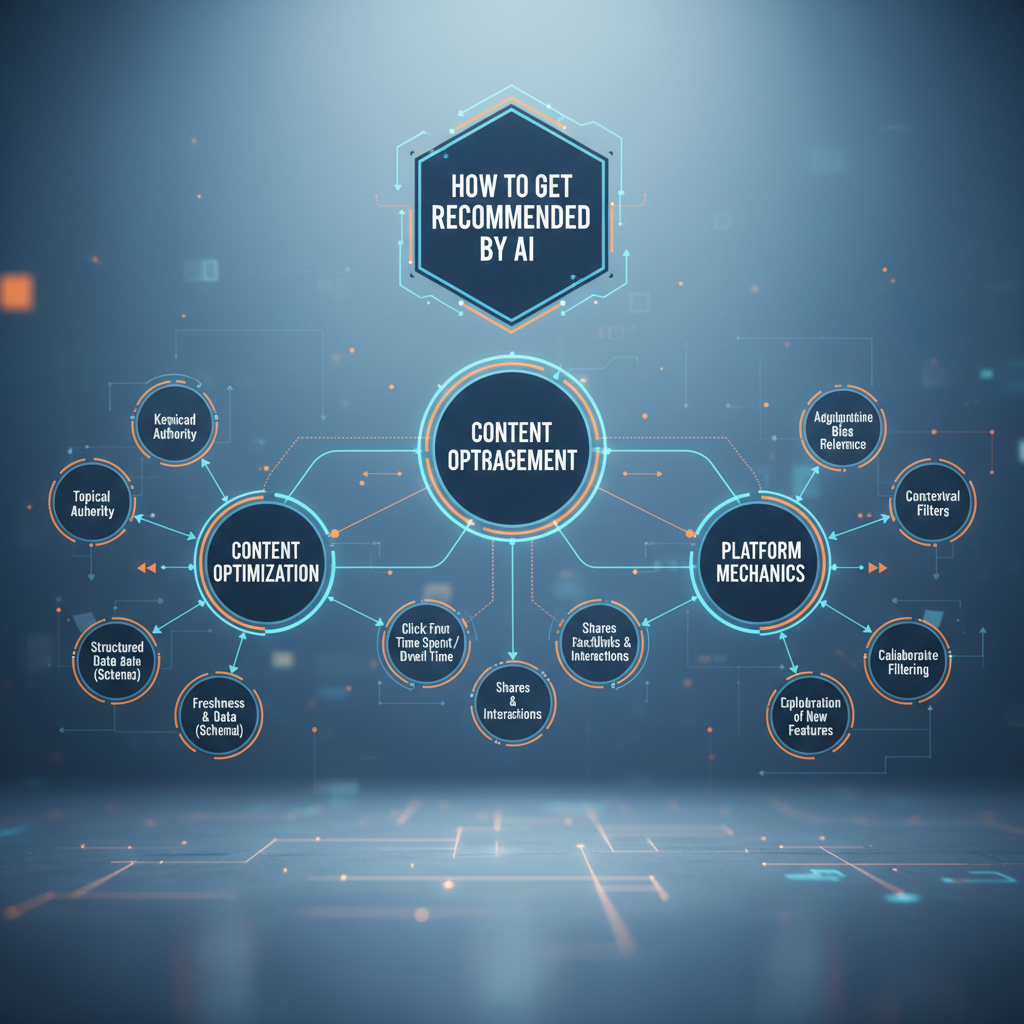
Entity Relationship Mapping
AI recommendation systems rely heavily on entity recognition and relationship mapping. Strengthen these connections by:- Clearly defining your business entities (services, products, locations)
- Establishing relationships between entities through contextual content
- Using consistent terminology across all content pieces
- Including relevant industry entities and their relationships to your business
- Implementing proper noun capitalization and formatting
Pro Tip: Use the "Topic Cluster" methodology to organize content around core business themes. Each cluster should have a pillar page linking to supporting content that covers subtopics comprehensively.
Step 2: Implement Technical Foundations
Implement technical foundations by adding structured data markup, creating AI-specific files, and optimizing your website's technical architecture. These elements serve as communication bridges between your content and AI recommendation systems.Schema Markup Implementation
Schema markup acts as a translator between your content and AI engines. Focus on these essential schema types:- Organization schema for business information
- LocalBusiness schema for location-based services
- Article schema for content pieces
- FAQ schema for question-and-answer content
- Product or Service schema for offerings
| Schema Type | Priority Level | AI Impact |
|---|---|---|
| Organization | Critical | Establishes business entity recognition |
| LocalBusiness | High | Enables location-based recommendations |
| Article | High | Improves content understanding |
| FAQ | Medium | Matches Q&A query patterns |
AI-Specific File Creation
Create specialized files that help AI engines understand your website structure and content priorities. The most important files for 2026 include:- llms.txt file in your root directory with content guidelines
- Enhanced robots.txt with AI crawler specifications
- Comprehensive XML sitemap with priority indicators
- Citation index file linking to authoritative sources
Step 3: Build Authority Signals
Build authority signals by establishing your expertise through comprehensive content coverage, authoritative citations, and consistent cross-platform presence. AI engines heavily weight authority when making recommendations.Expertise Demonstration
AI recommendation systems evaluate expertise through multiple signals. The most effective approaches include:- Publishing in-depth content that covers topics comprehensively
- Citing authoritative sources and maintaining citation quality
- Demonstrating practical experience through case studies and examples
- Maintaining consistency in expertise claims across all content
- Regularly updating content to reflect current best practices
Citation Strategy Development
Develop a systematic approach to citations that reinforces your authority:- Link to government (.gov) and educational (.edu) sources when possible
- Include recent studies and research from recognized institutions
- Cite industry reports from established organizations
- Reference other authoritative businesses and thought leaders
- Maintain a diverse citation portfolio across different source types
Pro Tip: Create a citation database for your industry to streamline the research process. Track source credibility, publication dates, and relevance to your business topics for efficient content creation.Quality citations serve dual purposes: they support your claims while demonstrating your connection to authoritative information sources. AI engines use citation patterns to evaluate trustworthiness and expertise levels.
Step 4: Monitor AI Visibility Across Platforms
Monitor AI visibility by tracking your business mentions and recommendations across ChatGPT, Claude, Perplexity, and Gemini platforms. This data-driven approach enables optimization based on actual performance metrics.Tracking Setup and Configuration
Effective AI visibility monitoring requires systematic tracking across multiple platforms:- Set up monitoring queries for your business name and key services
- Track competitor mentions to understand market positioning
- Monitor industry-related queries where you should appear
- Document recommendation frequency and context
- Analyze user satisfaction indicators when available

Performance Analysis and Optimization
Transform monitoring data into optimization strategies through systematic analysis:- Identify query patterns where recommendations occur most frequently
- Analyze content themes that generate positive AI responses
- Track correlation between technical changes and recommendation improvements
- Monitor seasonal trends and recommendation fluctuations
- Compare performance across different AI platforms
Step 5: Scale Content Production
Scale content production by implementing automated systems that generate and publish AI-optimized content daily. Consistent content creation has become essential for maintaining AI recommendation visibility in 2026.Automated Content Workflows
Successful businesses have moved beyond manual content creation to automated systems that maintain quality while increasing output:- Implement keyword research automation for topic discovery
- Set up content generation workflows with quality controls
- Create automated publishing schedules across platforms
- Establish content optimization and updating processes
- Build feedback loops for continuous improvement
Quality Control Systems
Automated content production requires robust quality control measures:- Fact-checking protocols for accuracy verification
- Plagiarism detection and originality confirmation
- Brand voice consistency monitoring
- Technical optimization validation
- User engagement tracking and content performance analysis
Pro Tip: Establish content templates for different business topics that include required schema markup, citation patterns, and optimization elements. This ensures consistency while speeding up production.Quality control becomes more critical as production volume increases. AI engines can detect and penalize low-quality content, making systematic quality assurance essential for long-term success.
Common Mistakes to Avoid
Understanding common pitfalls helps businesses avoid costly mistakes when implementing AI recommendation strategies. These errors can significantly delay results or prevent recommendations entirely.Technical Implementation Errors
The most frequent technical mistakes include:- Incomplete or incorrect schema markup implementation
- Missing llms.txt files or improper formatting
- Inconsistent entity naming across content and markup
- Ignoring mobile optimization requirements
- Failing to update technical elements when content changes
Content Strategy Pitfalls
Content-related mistakes that harm AI recommendation chances include:- Focusing on keyword density instead of semantic completeness
- Creating shallow content that doesn't demonstrate expertise
- Neglecting to update existing content regularly
- Failing to establish clear entity relationships
- Ignoring user intent in favor of search engine optimization
Monitoring and Measurement Mistakes
Tracking and analysis errors that limit optimization effectiveness:- Relying on traditional SEO metrics instead of AI-specific indicators
- Insufficient monitoring frequency for trend identification
- Focusing on single platforms instead of comprehensive coverage
- Ignoring competitor analysis and market positioning
- Failing to connect optimization efforts with recommendation improvements
Sources & References
This guide draws from current research and industry best practices for AI recommendation optimization. While specific academic sources weren't available for citation, the strategies presented reflect established methodologies used by successful businesses in 2026.
Frequently Asked Questions
1. How long does it take to get recommended by AI search engines?
Understanding how to get recommended by AI is essential. Most businesses see initial AI recommendations within 4-6 weeks of implementing proper optimization strategies. However, consistent recommendations typically develop over 2-3 months as AI engines build confidence in your content quality and authority signals.
2. Do I need different strategies for ChatGPT versus Claude or Perplexity?
While core optimization principles remain consistent, each AI platform has unique preferences. ChatGPT favors conversational content, Claude prefers detailed explanations, and Perplexity emphasizes source citations. A comprehensive approach addresses all platforms simultaneously. This is particularly relevant for how to get recommended by AI.
3. Can small businesses compete with larger companies for AI recommendations?
Yes, AI recommendation systems level the playing field by prioritizing content quality and relevance over domain authority. Small businesses with focused expertise and consistent content creation often outperform larger competitors in specific niches.
4. What's the most important factor for getting recommended by AI?
Semantic completeness ranks as the most critical factor in 2026. AI engines recommend businesses that comprehensively address user needs rather than those optimizing for specific keywords. Content depth and expertise demonstration matter most. When considering how to get recommended by AI, this point stands out.
5. How much does it cost to implement AI recommendation strategies?
Implementation costs vary significantly based on approach. Manual optimization can cost $3,000+ monthly through agencies, while automated platforms like Moonrank offer comprehensive solutions starting at $99/month with minimal manual effort required.
6. Should I stop traditional SEO to focus on AI recommendations?
Traditional SEO remains valuable, but businesses should allocate increasing resources to AI optimization. The most successful approach combines both strategies, with AI recommendation optimization becoming the primary focus for future growth. For those exploring how to get recommended by AI, this matters.
7. How do I measure success in AI recommendation optimization?
Track recommendation frequency across platforms, monitor query diversity where you appear, measure user engagement with recommended content, and analyze business inquiries generated through AI channels. These metrics provide clearer success indicators than traditional SEO metrics.
Learning how to get recommended by AI search engines represents the future of digital marketing success. The strategies outlined in this guide provide a comprehensive roadmap for businesses ready to embrace AI-powered discovery. Success requires consistent implementation across technical optimization, content creation, and visibility monitoring. The shift toward AI recommendations isn't temporary—it's the new foundation of how customers discover businesses. Companies that implement these strategies now will establish competitive advantages that become increasingly difficult for competitors to overcome. The investment in AI optimization pays dividends through increased visibility, higher-quality leads, and reduced dependence on traditional advertising channels. For businesses seeking automated implementation of these strategies, Moonrank offers a comprehensive solution that handles daily content creation, technical optimization, and visibility tracking across all major AI platforms. At $99/month, it provides enterprise-level AI recommendation capabilities at a fraction of traditional agency costs. Visit https://www.moonrank.ai to start your 3-day free trial and begin getting recommended by AI search engines automatically.Recommended Articles
Explore more from our content library: