SEO Tools Pricing Guide: Cost Comparison & Value in 2026
Compare SEO tools pricing across top platforms in 2026. Find affordable solutions, understand value propositions, and choose the right tool for your budget.
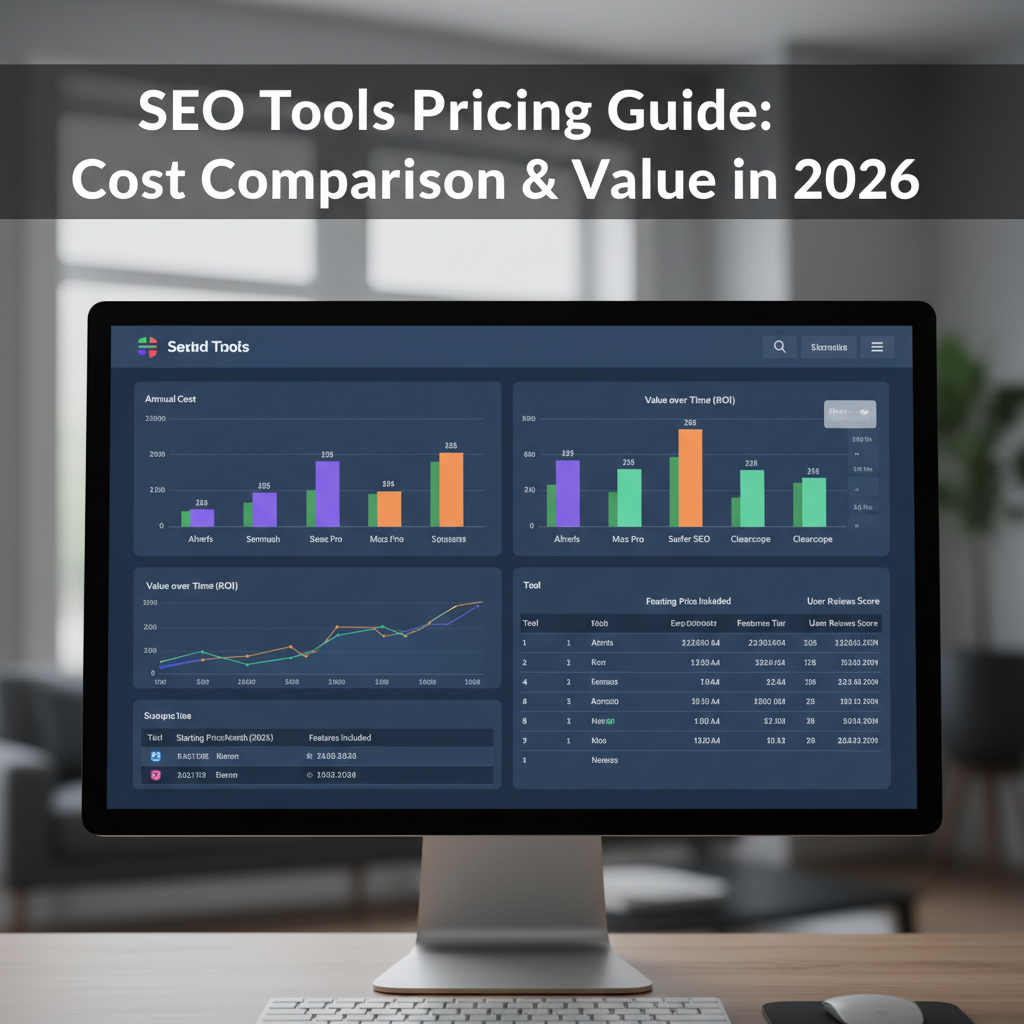
What Is SEO Tools Pricing?
SEO tools pricing represents the financial investment required to access software platforms that help businesses improve their search engine rankings and online visibility. The pricing landscape has shifted dramatically in recent years, with traditional models giving way to more flexible, value-based approaches that reflect the diverse needs of modern businesses.Core Pricing Components
Modern tool pricing typically includes several key elements that determine the total cost of ownership. The base subscription fee covers core functionality like keyword research, rank tracking, and basic reporting features. Premium tiers unlock advanced capabilities such as competitor analysis, technical auditing, and white-label reporting options. Additional costs often include:- Setup and onboarding fees for enterprise accounts
- Training and certification programs
- API access charges for custom integrations
- Data export fees for large-scale reporting
- Consultant or agency management surcharges
Pro Tip: Always calculate the total cost of ownership including training time and potential consulting fees. A $99/month tool that requires minimal setup often delivers better ROI than a $500/month platform needing extensive configuration.
Market Segmentation by Business Size
The SEO tools market has evolved to serve distinct business segments with tailored pricing strategies. Enterprise solutions target large corporations and agencies with comprehensive feature sets, extensive data allowances, and dedicated support teams. These platforms typically start at $1,000 monthly and can exceed $5,000 for unlimited access. Small and medium businesses represent the fastest-growing segment, with tools priced between $99-500 monthly. These solutions balance functionality with affordability, offering essential features without overwhelming complexity. Startup-focused platforms often include freemium models or extended trial periods to accommodate limited budgets.How SEO Tools Pricing Works
Tool pricing operates through multiple models designed to align costs with business value and usage patterns. Understanding these mechanisms helps companies select the most cost-effective solution for their specific needs and growth trajectory.Subscription Tier Models
The most common pricing structure uses tiered subscriptions that unlock progressively more features and data allowances. Basic tiers typically include keyword research for 100-500 terms, basic rank tracking, and limited competitor analysis. Mid-tier plans expand to 1,000-5,000 keywords with advanced reporting and technical audit capabilities.| Tier Level | Monthly Cost Range | Keyword Limit | Target Audience |
|---|---|---|---|
| Starter | $99-199 | 500-1,000 | Small businesses, freelancers |
| Professional | $200-499 | 2,000-5,000 | Growing companies, small agencies |
| Business | $500-999 | 10,000-25,000 | Mid-size companies, agencies |
| Enterprise | $1,000+ | Unlimited | Large enterprises, major agencies |
Usage-Based and Credit Systems
Some platforms employ credit-based pricing where users purchase monthly allotments of searches, reports, or data exports. This model appeals to businesses with fluctuating SEO needs or seasonal campaigns. Credits typically cost $0.10-1.00 per query depending on data complexity and freshness. Pay-per-use models are emerging for specialized features like competitor backlink analysis or technical site audits. These services often charge $50-200 per comprehensive report, making them attractive for occasional deep-dive analysis without ongoing subscription commitments.Pro Tip: Credit systems work best for agencies managing multiple clients with varying needs. Calculate your average monthly usage to determine if credits or flat subscriptions offer better value.
Key Benefits: Why Pricing Matters
Strategic evaluation of tool pricing directly impacts business profitability and competitive positioning. Companies that optimize their tool investments often achieve 3-5x better ROI compared to those who select platforms based solely on features or brand recognition.Budget Optimization and Resource Allocation
Understanding pricing enables precise budget allocation across marketing initiatives. Businesses can avoid the common trap of overpaying for enterprise features they'll never use while ensuring they have sufficient capability for growth. Smart pricing analysis reveals opportunities to reallocate funds from expensive tools to content creation or other high-impact activities. Cost-conscious companies increasingly recognize that tool efficiency matters more than tool sophistication. A $99 monthly platform that automates daily content publishing and technical optimization often delivers superior results compared to a $1,000 solution requiring extensive manual configuration and ongoing maintenance.Scalability and Growth Planning
Effective pricing evaluation supports long-term business planning by identifying solutions that can scale with company growth. Platforms with flexible pricing tiers allow businesses to start small and expand capabilities as revenue increases, avoiding costly migrations or service interruptions. Key scalability factors include:- Gradual feature unlocking without platform changes
- Transparent upgrade paths with predictable cost increases
- Data portability and integration capabilities
- Multi-user access controls for growing teams
- API availability for custom workflow integration
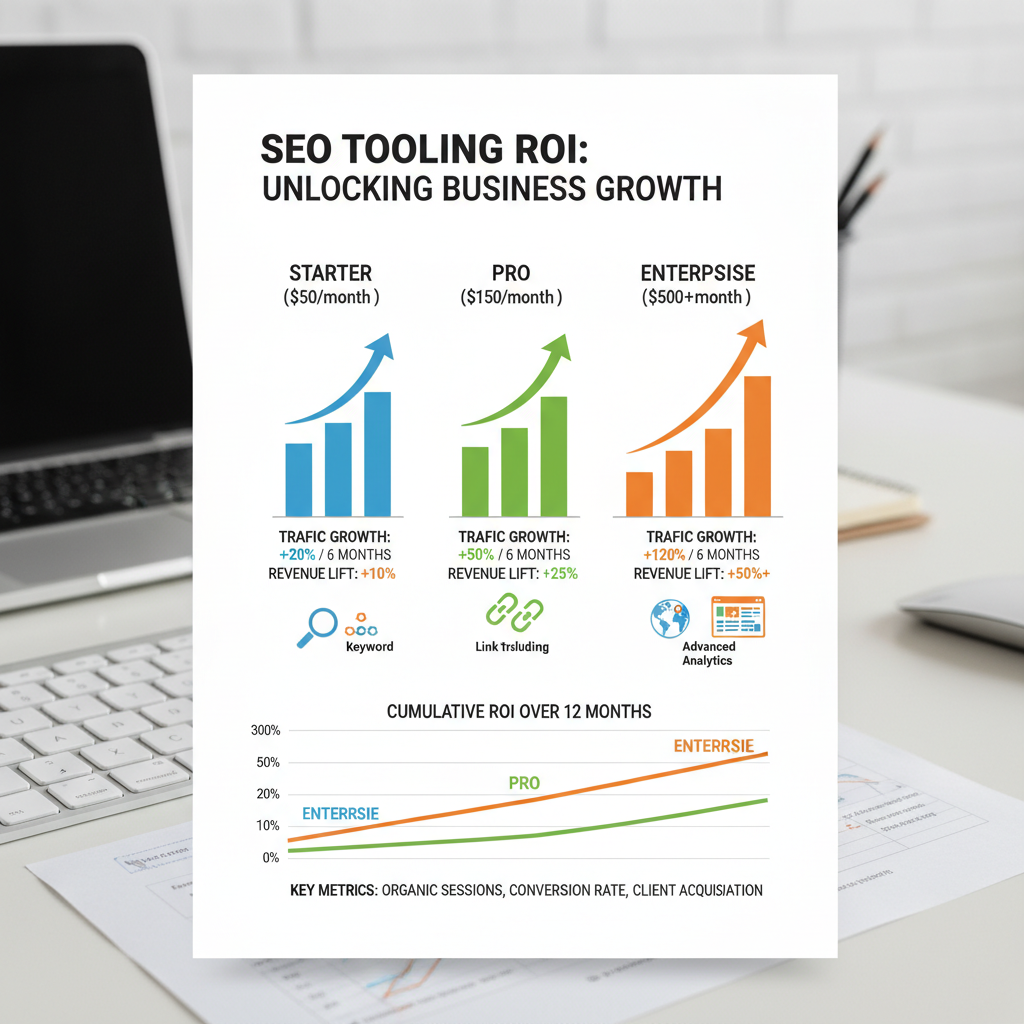
Competitive Advantage Through Smart Tool Selection
Companies that master pricing gain significant competitive advantages by accessing premium capabilities at lower costs. This efficiency allows increased investment in content creation, link building, and other activities that directly impact search rankings and revenue generation. At Moonrank, we've found that businesses using automated AI-powered SEO solutions often outperform competitors spending 10x more on traditional tools and agencies. The key lies in selecting platforms that maximize automation while minimizing manual intervention requirements.Common Pricing Challenges and Mistakes
Navigating tool pricing presents numerous pitfalls that can significantly impact marketing budgets and campaign effectiveness. Understanding these challenges helps businesses avoid costly mistakes and optimize their tool selection process.Hidden Costs and Fee Structures
One of the most significant pricing challenges involves hidden costs that aren't apparent during initial tool evaluation. Many platforms advertise attractive base prices but charge additional fees for essential features like data exports, API access, or white-label reporting. Setup fees, training costs, and consultant requirements can easily double the effective monthly expense. Common hidden costs include:- Per-user licensing fees beyond the primary account
- Premium data sources requiring separate subscriptions
- Historical data access charges for trend analysis
- Custom report generation and branding fees
- Technical support beyond basic email assistance
Pro Tip: Always request a complete fee schedule including all potential charges before committing to any SEO tool. Ask specifically about data export limits, user additions, and premium feature costs.
Over-Engineering and Feature Bloat
Many businesses fall into the trap of selecting overly complex tools that provide far more functionality than needed. Enterprise platforms designed for large agencies often overwhelm small business users with unnecessary features while charging premium prices for capabilities they'll never utilize. The complexity problem extends beyond cost to operational efficiency. Teams spend excessive time learning sophisticated tools when simpler solutions would deliver better results with less training investment. This learning curve represents a significant hidden cost in terms of productivity and opportunity cost.Vendor Lock-in and Migration Challenges
Platform dependency represents another critical pricing challenge that becomes apparent only when businesses need to change tools. Proprietary data formats, custom integrations, and specialized workflows create switching costs that can reach thousands of dollars in migration expenses and productivity losses. Vendor lock-in risks include:- Proprietary data formats preventing easy export
- Custom API integrations requiring redevelopment
- Team training investments lost during platform changes
- Historical data gaps during transition periods
- Workflow disruptions impacting campaign performance
Best Practices for SEO Tools Pricing in 2026
Strategic pricing evaluation requires a systematic approach that balances current needs with future growth while maximizing return on investment. The evolving landscape of 2026 demands particular attention to AI-powered automation and emerging pricing models.Total Cost of Ownership Analysis
Comprehensive pricing evaluation extends far beyond monthly subscription fees to include all associated costs over the tool's expected lifespan. Calculate setup expenses, training time, ongoing maintenance requirements, and potential consulting needs to determine true cost effectiveness.- Document all subscription tiers and feature limitations
- Estimate monthly usage patterns for usage-based features
- Calculate team training time at current hourly rates
- Research integration costs for existing business systems
- Factor in data migration expenses if changing platforms
- Include opportunity costs of complex tool management
Feature-to-Value Mapping
Effective pricing analysis requires mapping specific features to measurable business outcomes rather than evaluating tools based on feature quantity alone. Focus on capabilities that directly impact revenue generation, cost reduction, or competitive positioning within your specific industry context.| Feature Category | Business Impact | Value Multiplier | Priority Level |
|---|---|---|---|
| Automated Content Generation | Reduces staff costs, increases consistency | High | Essential |
| AI Search Visibility Tracking | Monitors emerging search channels | High | Essential |
| Technical Audit Automation | Prevents ranking penalties | Medium | Important |
| Competitor Analysis | Informs strategy decisions | Medium | Nice-to-have |
| Advanced Reporting | Improves client communication | Low | Optional |
Trial and Pilot Program Strategies
Smart businesses leverage free trials and pilot programs to validate tool effectiveness before committing to long-term contracts. Structure trials to test specific use cases rather than exploring general functionality, focusing on features that address your most pressing SEO challenges. Effective trial strategies include:- Define success metrics before starting trial periods
- Test tools with real business data and workflows
- Involve actual users who will operate the platform daily
- Document time savings and productivity improvements
- Calculate ROI based on trial period results
Pro Tip: Use trial periods to negotiate better pricing. Demonstrable results during trials provide leverage for discount requests or custom pricing arrangements, especially for annual commitments.
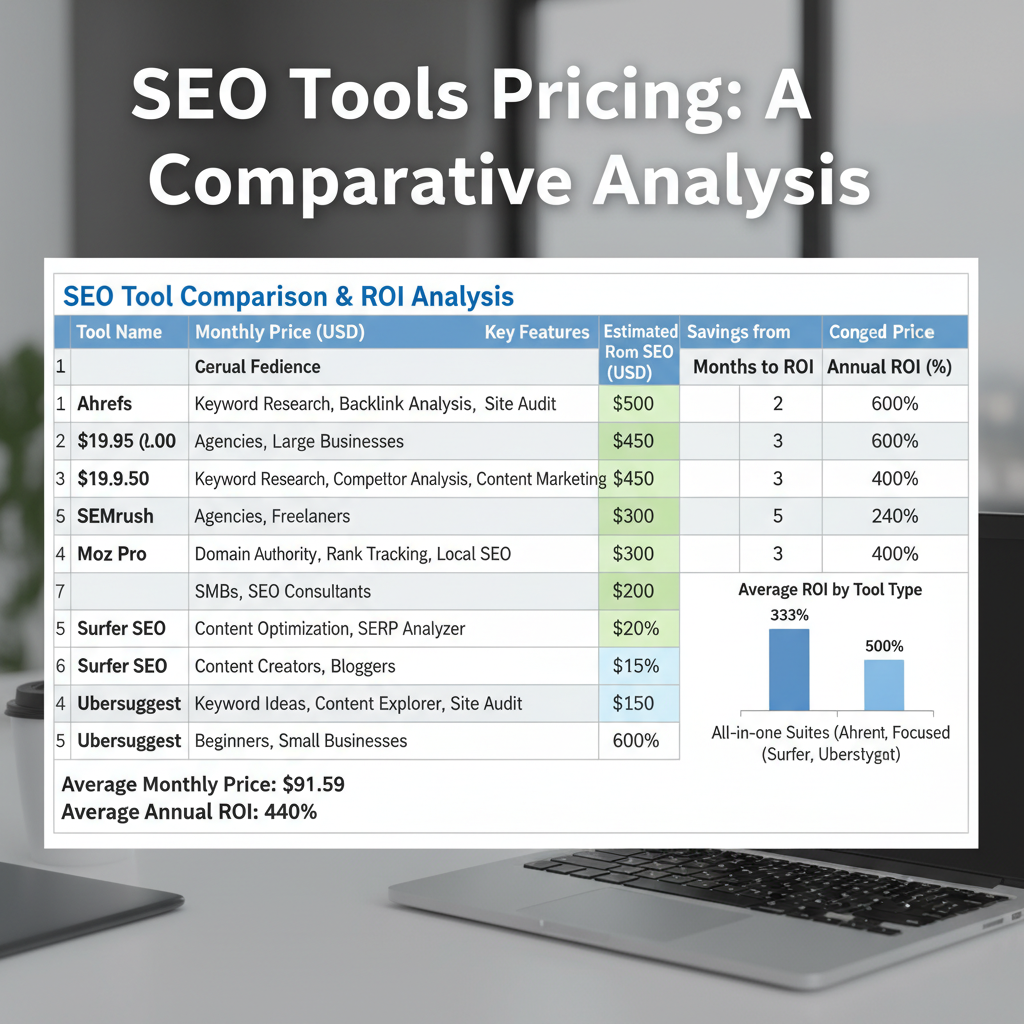
Sources & References
Understanding SEO tools pricing is essential. This article draws from industry analysis and market research to provide accurate pricing information as of 2026. While specific vendor pricing changes frequently, the frameworks and strategies outlined remain applicable across different platforms and market conditions. Additional insights come from Small Business Administration marketing guidance, Federal Trade Commission AI business practices, and U.S. Census Bureau economic data.
Frequently Asked Questions
1. What's the average cost of SEO tools for small businesses in 2026?
Small businesses typically spend $99-299 monthly on SEO tools, with most platforms offering starter tiers around $150/month. AI-powered solutions are driving costs down while increasing functionality, making professional-grade SEO more accessible to smaller companies.
2. Are expensive SEO tools worth the higher cost?
Expensive tools aren't automatically better. Value depends on feature utilization and automation capabilities. A $99 tool with high automation often delivers better ROI than a $1,000 platform requiring extensive manual work and training.
3. How do I avoid hidden costs in tool pricing?
Request complete fee schedules including user limits, data export charges, API access costs, and premium feature pricing. Ask specifically about setup fees, training requirements, and any usage-based charges that might apply to your business model.
4. Should I choose monthly or annual SEO tool subscriptions?
Annual subscriptions typically offer 15-25% savings but require upfront payment and longer commitment. Choose monthly billing for new tools during evaluation periods, then switch to annual once you've confirmed value and effectiveness.
5. What pricing trends should I expect in 2026?
AI automation is driving down costs while increasing capabilities. Expect more usage-based pricing, AI-powered features at lower price points, and simplified tiers focused on business outcomes rather than feature lists. Traditional enterprise pricing models are becoming less common.
6. How much should agencies budget for SEO tools?
Agencies typically allocate 10-15% of monthly revenue to SEO tools, with costs ranging from $500-2,000 monthly depending on client volume. Multi-client platforms and white-label solutions often provide better economics than individual tool subscriptions.
7. Can free SEO tools replace paid solutions?
Free tools work for basic keyword research and site audits but lack automation, advanced features, and comprehensive data needed for competitive SEO. They're useful for evaluation and small projects but insufficient for serious business growth initiatives.

Recommended Articles
Explore more from our content library: